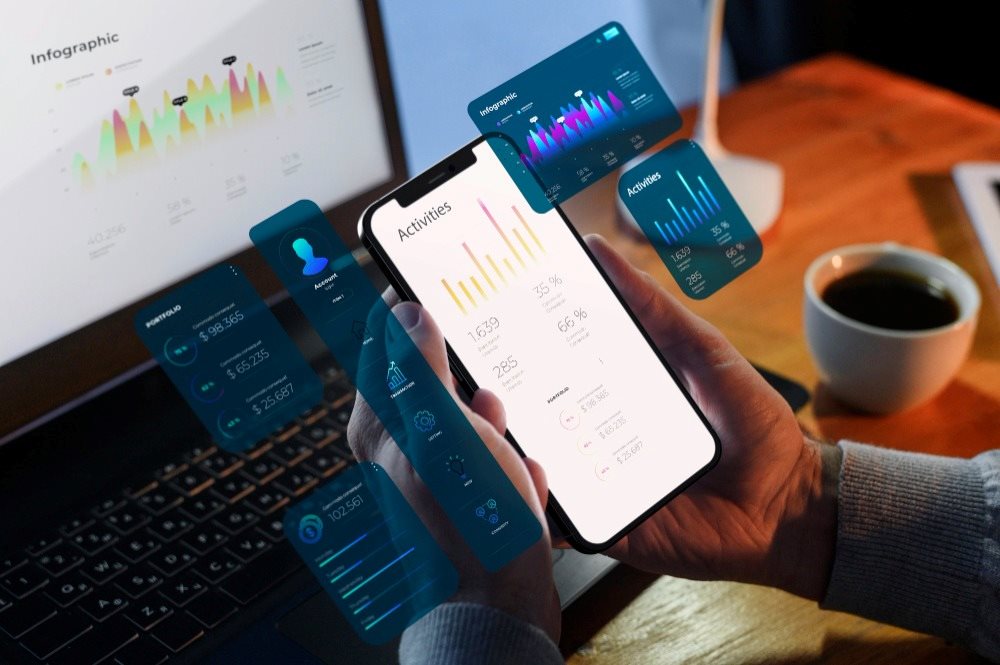
The financial technology industry has grown rapidly over the past decade, transforming how businesses and consumers manage money. From mobile banking to investment platforms, fintech apps are now essential tools. However, one of the most common questions businesses ask is: how much does it cost for a fintech app development? Understanding the cost factors involved in fintech software development services can help you plan your project effectively and avoid unexpected expenses.
Understanding Fintech App Development
Before diving into costs, it’s important to understand what fintech app development involves. It’s not just about creating a user-friendly interface; it includes secure backend systems, compliance with regulations, payment integrations, and data protection.
Whether you’re building a digital wallet, lending platform, or trading app, financial application development requires a combination of technical expertise and industry knowledge. This is why many companies rely on professional fintech software development services to ensure their product meets both technical and legal standards.
Key Factors That Influence Fintech App Costs
The cost of developing a fintech app can vary widely depending on several factors. Let’s explore the most important ones.
1. App Complexity and Features
The more complex your app, the higher the cost. A basic fintech app with limited features may cost significantly less than a full-scale platform with advanced functionalities like:
- Real-time transactions
- AI-based financial insights
- Multi-currency support
- Blockchain integration
Advanced financial services software development often requires specialized skills, increasing the overall budget.
2. Security and Compliance Requirements
Security is critical in fintech. Apps must comply with regulations such as GDPR, PCI-DSS, or local financial laws. Implementing encryption, secure authentication, and fraud detection systems adds to the cost.
Investing in reliable custom software solutions ensures that your app is secure and compliant, which is essential for building user trust.
3. Platform Choice (iOS, Android, or Both)
Developing for a single platform is cheaper than building for both iOS and Android. However, most businesses choose cross-platform development to reach a wider audience.
Cross-platform frameworks can reduce costs, but high-quality financial application development may still require platform-specific optimization.
4. UI/UX Design
User experience plays a major role in fintech apps. A clean, intuitive interface can improve user engagement and retention. High-quality design requires skilled designers, which adds to development costs.
Professional fintech software development services often include UI/UX design as part of their package, ensuring consistency and usability.
5. Development Team Location
The cost of hiring developers varies by region. For example:
- North America: Higher rates
- Eastern Europe: Moderate rates
- Asia: Lower rates
Choosing the right team for your financial services software development project can significantly impact your budget.
6. Integration with Third-Party Services
Fintech apps often rely on third-party integrations such as payment gateways, banking APIs, and analytics tools. These integrations can increase development time and cost.
Using custom software solutions allows businesses to tailor integrations according to their specific needs.
Estimated Cost Breakdown
While exact costs vary, here’s a general estimate for fintech app development:
- Basic App: $20,000 – $50,000
- Medium Complexity App: $50,000 – $120,000
- Advanced App: $120,000 – $300,000+
These estimates include design, development, testing, and deployment. However, ongoing maintenance and updates are additional costs to consider.
Many businesses prefer outsourcing to experienced providers of fintech software development services to manage these costs efficiently.
Hidden Costs to Consider
Apart from development, there are several hidden costs that businesses often overlook:
- Maintenance and Updates: Regular updates are necessary to keep the app secure and functional.
- Cloud Hosting: Servers and infrastructure costs can add up over time.
- Marketing and User Acquisition: Launching the app is just the beginning.
- Customer Support: Providing support services requires additional resources.
Planning for these expenses ensures your financial application development project remains sustainable in the long run.
How to Optimize Development Costs
If you’re working with a limited budget, here are some ways to reduce costs without compromising quality:
Start with an MVP (Minimum Viable Product)
An MVP includes only the core features needed to launch your app. This approach allows you to test the market before investing in advanced features.
Many companies offering financial services software development recommend this strategy to minimize risk.
Use Agile Development
Agile methodologies allow for iterative development, helping you manage costs and adapt to changes quickly.
Choose the Right Technology Stack
Selecting the right tools and technologies can significantly impact development efficiency. Experienced teams providing custom software solutions can guide you in making the best choices.
Outsource Wisely
Outsourcing to a reliable development company can reduce costs while maintaining quality. Look for providers with proven expertise in fintech software development services.
Why Investing in Fintech Development is Worth It
Although fintech app development can be expensive, the potential returns are significant. A well-built app can:
- Improve customer experience
- Increase operational efficiency
- Generate new revenue streams
- Strengthen brand credibility
By leveraging professional financial application development services, businesses can create scalable and secure solutions that meet market demands.
Final Thoughts
Fintech app development costs depend on multiple factors, including complexity, security, design, and team expertise. While the investment may seem high, the long-term benefits often outweigh the initial expenses.
Working with experienced providers of financial services software development ensures your app is built to industry standards. Additionally, opting for custom software solutions allows you to create a product tailored to your business needs.
Ultimately, careful planning, clear requirements, and the right development partner can help you build a successful fintech app within your budget.
Frequently Asked Questions (FAQ’s)
Q1. How much does it cost to develop a fintech app?
A: The cost typically ranges from $20,000 to over $300,000, depending on complexity, features, and security requirements. Advanced apps with integrations and compliance needs cost significantly more.
Q2. How long does fintech app development take?
A: Development usually takes 3 to 12 months. Simple apps may take a few months, while complex platforms with advanced features and integrations require more time.
Q3. What technologies are used in fintech app development?
A: Common technologies include AI, blockchain, cloud computing, APIs, and encryption tools. These technologies ensure secure, scalable, and efficient fintech applications.